Can Amla Cause Digestive Discomfort? What to Know

Amla has a long history as a food and botanical ingredient, but its intensely tart, astringent character can prompt a practical question: can amla cause digestive discomfort? For some people, yes. Digestive effects are usually related to individual tolerance, serving size, product format, and timing rather than a universal problem with amla itself.
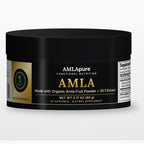
A thoughtful approach matters, particularly when using concentrated botanical supplements. Amla is not simply a flavor note. It is a polyphenol-rich fruit with naturally occurring acids, fiber, and other plant compounds. A formula that combines whole-fruit amla with a 30:1 extract can offer a more complete botanical profile, but concentration also makes appropriate use and personal response worth considering.
Can Amla Cause Digestive Discomfort in Sensitive Users?
Most people can include amla in a food-based routine without significant difficulty. Still, a minority of users may notice stomach upset, nausea, loose stools, abdominal cramping, or increased reflux-like symptoms. These reactions are not specific to amla alone. They can occur with many tart fruits, fiber-containing foods, and concentrated plant extracts, especially when introduced quickly.
Amla's sour taste reflects its naturally acidic composition. For someone with a sensitive stomach, active heartburn, gastritis, or a tendency toward reflux, taking a tart botanical on an empty stomach may feel uncomfortable. This does not necessarily mean the ingredient is unsuitable long term. It may mean the timing, amount, or product format needs adjustment.
The whole-fruit component can also contribute dietary fiber and naturally occurring tannins. Fiber is generally valuable in a well-rounded diet, but a sudden increase can temporarily change bowel regularity or contribute to bloating in sensitive individuals. Tannins create the dry, puckering sensation associated with astringent fruits. In some people, especially at higher intakes, that astringency may feel mildly irritating to the digestive tract.
Why Serving Size and Format Matter
The question is not only whether amla causes discomfort, but how much and in what form. Fresh or powdered whole fruit, juice, and standardized extracts can feel different in the body because their concentrations and accompanying food matrix differ.
A whole-fruit powder retains more of the fruit's natural matrix. An extract concentrates selected soluble compounds into a smaller serving. Neither format is inherently better for digestion in every person. Whole fruit may be preferable for someone who values food-derived complexity, while an extract can provide a more compact dose of amla phytonutrients. A whole-fruit + 30:1 extract formula intentionally brings both formats together, which makes label-directed serving size especially important.
Taking more than the recommended amount is not a reliable way to produce better results. It can increase the likelihood of digestive symptoms while making it harder to identify what your body actually tolerates. This is particularly relevant for people who begin several supplements at once.
Empty Stomach Versus With Food
Taking amla with a meal is often the simplest first adjustment for mild discomfort. Food can reduce the immediate impact of tart or astringent compounds and may make the supplement easier to tolerate. A meal that includes protein, fat, and fiber may be more comfortable than taking a capsule with coffee alone or after an extended fast.
That said, personal response varies. Some users prefer botanical products away from meals, while others do better with food. If a supplement label provides timing directions, follow those first. If the directions allow flexibility, consistency matters more than chasing a perfect schedule.
Starting Too Quickly
A gradual introduction is a practical way to assess tolerance. If the product's label permits a lower starting amount, consider using that amount for several days before moving to the full serving. Keep the rest of your routine stable during that period. This makes it easier to distinguish a response to amla from an unrelated dietary change, illness, new medication, or another supplement.
For practitioners, a slow introduction can be especially useful for clients with a history of functional digestive symptoms, food sensitivities, or inconsistent meal patterns. The goal is not to assume intolerance, but to establish a clear, individualized tolerance window.
Who Should Use Extra Care With Amla?
People with occasional digestive sensitivity can often use amla thoughtfully. However, a few situations warrant more caution and a conversation with a qualified healthcare professional before use.
Individuals with persistent reflux, peptic ulcer disease, inflammatory bowel conditions, chronic diarrhea, or unexplained abdominal pain should not use a new supplement as a substitute for evaluation. Amla may not be the cause of those conditions, but its tartness, fiber content, and concentration could complicate symptom tracking.
Amla may also have relevance for blood glucose management in some contexts. People using glucose-lowering medications should discuss supplementation with the clinician managing their care, particularly if they monitor blood sugar or have experienced hypoglycemia. The same principle applies to anyone taking a complex medication regimen, preparing for surgery, pregnant or breastfeeding, or managing a diagnosed medical condition.
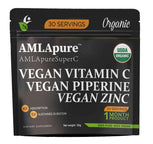
Quality and formula transparency matter here. A clearly labeled botanical product lets users and practitioners evaluate the ingredient format, serving size, and other components. USDA Organic sourcing and cGMP-certified production are meaningful quality standards, but they do not replace individualized medical guidance or guarantee that every person will respond the same way.
How to Tell Whether Amla Is the Likely Trigger
Digestive symptoms are common and often have multiple possible causes. A large meal, alcohol, a new probiotic, a viral illness, stress, menstrual-cycle changes, artificial sweeteners, or increased coffee intake can all affect digestion. Before assigning blame to amla, look at the timing and pattern.
If discomfort begins soon after starting amla, improves when you stop it, and returns when you resume it, that pattern suggests the product may be contributing. Do not intentionally restart a product if your reaction was severe or concerning. Instead, seek clinical advice.
For mild symptoms, a simple observation period can be useful. Pause the supplement and allow symptoms to resolve. If you and your clinician decide to try it again, use the lowest practical serving with food and avoid introducing other new products at the same time. Persistent nausea, severe pain, vomiting, black or bloody stools, difficulty swallowing, facial swelling, hives, or trouble breathing require prompt medical attention rather than a self-directed trial.
A Better Way to Use Amla Thoughtfully
The most useful supplement routine is usually the least complicated one. Choose a formula with transparent serving information and a defined botanical identity, rather than treating all amla products as interchangeable. A whole-food-oriented product may include meaningful constituents beyond a single isolated compound, while a concentrated extract changes the amount delivered per capsule. Both details belong in the decision.
Begin within labeled directions, use it consistently, and take it with food if your stomach is sensitive. Pay attention to the dose, timing, and the rest of your routine. If amla continues to cause discomfort despite these changes, it may simply not be the right fit for you at that time.
A good botanical routine should support your health goals without making daily digestion harder. Respecting your individual response is not a failure of the ingredient. It is the practical standard for using whole-food and concentrated plant nutrition responsibly.


 Contact us