Amla Outcomes: What Research Can and Cannot Show

Amla outcomes are best evaluated with more discipline than a before-and-after supplement story can provide. Indian gooseberry has a long history in food and traditional botanical practice, and modern research has examined its naturally occurring polyphenols, tannins, fiber, and vitamin C. Still, a meaningful result depends on the person, the formula, the dose, the consistency of use, and the outcome being measured.
For consumers and practitioners, the useful question is not whether amla is “good” in the abstract. It is whether a specific amla preparation is appropriate for a defined nutrition goal, used alongside sound dietary and medical care, and assessed over a realistic timeframe.
What Amla Outcomes May Mean
The word “outcome” can describe several different things. A person may be looking for support for everyday antioxidant intake, metabolic health markers, digestive regularity, or a food-first approach to botanical nutrition. A practitioner may be assessing laboratory values, dietary adherence, medication considerations, and client tolerance over time.
Those are not interchangeable endpoints. Feeling well after adding a botanical product is personally meaningful, but it does not establish a clinical effect. Likewise, a change in a laboratory value may be influenced by food intake, exercise, sleep, body weight, medication use, alcohol intake, and normal biological variation. Amla should be evaluated as one part of a broader health plan, not as a substitute for that plan.
Amla fruit contains a complex matrix of phytonutrients rather than a single isolated active compound. Its polyphenol profile includes compounds such as gallic acid, ellagic acid, and hydrolyzable tannins. Whole-fruit preparations also preserve food-derived constituents that may not be represented in a narrowly standardized extract. This is one reason formulation details matter when discussing expected outcomes.
What the Research on Amla Outcomes Suggests
Human studies of amla have explored cardiometabolic measures, oxidative stress markers, inflammatory pathways, glucose-related measures, and lipid-related markers. Some small clinical trials have reported favorable changes in selected biomarkers with amla preparations. These findings are encouraging, but they should be read in context.
Many studies are limited by short duration, small participant groups, differing preparations, and inconsistent dosing. A study using a concentrated extract cannot automatically be applied to powdered whole fruit, juice, candy, or a different branded formula. Nor can results in people with a diagnosed condition be assumed to apply to generally healthy adults.
Research on antioxidant activity requires particular care. Amla contains compounds with antioxidant activity in laboratory testing, but laboratory antioxidant capacity is not the same as a proven disease-prevention outcome in humans. The body absorbs, metabolizes, and uses plant compounds in complex ways. A high number on a test does not tell the entire nutritional story.
The most responsible interpretation is that amla is a nutrient- and phytonutrient-rich botanical with a developing body of human research. It may be a reasonable addition for adults seeking organic, plant-based nutritional support, especially when the formula, quality controls, and intended use are clearly disclosed. It is not appropriate to present amla as a treatment, cure, or replacement for prescribed care.
Why Whole-Fruit + 30:1 Extract Matters
Amla supplements vary substantially. Some formulas rely only on an extract. Others use basic fruit powder. Neither format is inherently wrong, but they answer different formulation questions.
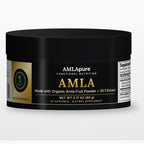
Whole-fruit amla provides the broader food matrix of the berry. A 30:1 extract concentrates selected constituents from the fruit, allowing a smaller serving to deliver a more concentrated botanical input. A formula combining whole-fruit amla with a 30:1 extract is designed to retain a food-first foundation while adding measured concentration from the same botanical source.
That dual-format approach does not guarantee a particular clinical outcome. It does, however, make the formulation easier to evaluate. The buyer can see whether the product is built around the fruit itself, a concentrated extract, or both. This distinction is more informative than vague claims about “superfoods” or proprietary blends with undisclosed ingredient amounts.
For ingredient-conscious consumers, USDA Organic sourcing and cGMP certified production add further context. Organic certification speaks to agricultural and handling standards, while cGMP manufacturing addresses process controls used to help ensure that products are produced consistently. Neither standard transforms a supplement into a drug, but both are relevant to a quality-focused purchasing decision.
How to Assess Outcomes Without Guesswork
Amla is not well suited to impulsive, day-to-day judgment. If an adult chooses to use it, consistency and a defined purpose produce a more useful evaluation than changing several supplements at once.
Start by identifying the reason for use. It may be to increase exposure to food-derived polyphenols, to complement a nutrition plan already emphasizing plants and fiber, or to use a specific botanical formula recommended by a qualified practitioner. Keep the goal narrow enough to observe. “Improve everything” is not an outcome that can be responsibly measured.
Then consider the rest of the routine. Dietary changes, new exercise programs, fasting protocols, sleep disruption, and medication changes can all affect how someone feels and what appears on laboratory testing. When possible, avoid introducing multiple new variables at the same time. A short note of dosage, timing, food intake, and tolerance can be more useful than memory several weeks later.
For practitioners monitoring objective markers, consistency matters at the testing level as well. Compare similar conditions where possible, including timing, fasting status when relevant, and other lifestyle changes. A single favorable or unfavorable data point should not be overinterpreted. Trends, clinical context, and the individual’s full health history matter more.
Tolerance, Medication Use, and When to Ask First
Food-derived does not mean consequence-free. Some people may experience digestive discomfort when introducing a concentrated botanical product, particularly if they begin with more than the labeled serving or take it without food. Individual tolerance varies.
Adults who are pregnant or nursing, preparing for surgery, managing a medical condition, or taking prescription medications should speak with a qualified healthcare professional before beginning a new supplement. This is especially relevant for people using medicines that affect blood glucose, blood pressure, or blood clotting, since changes in diet or supplement routines may require individualized guidance and monitoring.
Practitioners should also consider the full supplement stack. Amla may be only one component in a client’s routine, and stacking multiple products with overlapping intended uses can make tolerance and outcome assessment less clear. The most thoughtful protocol is often the simplest one that fits the individual’s needs.
What a High-Quality Amla Product Should Disclose
A clear label should identify the amla form used, the amount per serving, and any extract ratio or standardization information that is relevant to the formula. It should also distinguish botanical ingredients from added excipients and provide practical directions for use.
Look beyond front-label language. “Natural” alone does not explain whether the product contains whole fruit, an extract, or a blend. “High potency” does not identify the botanical source or the concentration method. A product grounded in whole-fruit + 30:1 extract formulation provides a more specific basis for evaluation.
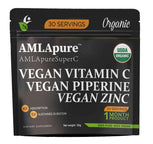
AMLApure approaches amla as professional botanical nutrition rather than a generic wellness trend, with an emphasis on organic whole-fruit ingredients, concentrated extract, and formulation transparency. For consumers and clinical professionals alike, that level of disclosure supports a more informed conversation about fit, use, and expectations.
Amla may earn a place in a carefully considered routine, but the best outcomes begin with clear goals, credible formulation standards, and patience enough to judge the full context rather than the promise on a label.


 Contact us