Amla Versus Turmeric: Which Botanical Fits?

Amla versus turmeric is not a contest between a better and worse botanical. It is a formulation and use-case question. Both plants have long dietary histories and substantial scientific interest, yet they provide different phytochemical profiles, behave differently in supplement form, and call for different expectations from informed users and practitioners.
For people who prefer USDA Organic, plant-based nutrition, the most useful comparison starts with the plant itself. Amla is a whole fruit with naturally occurring vitamin C, polyphenols, tannins, fiber, and other food-matrix compounds. Turmeric is a rhizome valued largely for curcuminoids, especially curcumin, alongside aromatic turmerones and other constituents. Their overlap is broad antioxidant activity in laboratory research. Their practical differences are more meaningful.
Amla Versus Turmeric: Start With the Plant Matrix
Amla, also called Indian gooseberry, is traditionally consumed as a food as well as used in botanical systems. That distinction matters. A whole-fruit amla formula retains the broader composition of the fruit, rather than reducing its value to one isolated marker compound. Its naturally occurring polyphenols and tannins are often central to ingredient-science discussions, as is its vitamin C content.
Turmeric is also a culinary plant, but many modern turmeric supplements are designed around a concentrated curcuminoid extract. This approach can deliver a standardized amount of curcuminoids, which helps with consistency between servings. It can also move the product farther from the food-like composition of culinary turmeric root.
Neither approach is automatically superior. A standardized extract can be appropriate when a specific researched constituent is the objective. A whole-food format may better suit those looking for a broader botanical profile and a supplement that remains closer to the source plant.
What each botanical contributes
Amla’s phytochemistry is complex. In addition to vitamin C, researchers have identified hydrolyzable tannins and a range of polyphenolic compounds. The interaction among those constituents may be part of why whole-fruit amla deserves consideration beyond a single nutrient label. However, the composition can vary with growing conditions, harvesting, processing, and testing methods.
Turmeric’s best-known compounds are curcuminoids. Curcumin has been widely studied for its effects on inflammatory signaling, oxidative stress pathways, and metabolic markers. Much of the research interest is justified, but study results are not interchangeable across products. Curcumin’s naturally low oral bioavailability means that extract type, dose, delivery system, and co-ingredients can substantially influence what reaches circulation.
That is one of the clearest practical distinctions: an amla product may be evaluated for whole-fruit integrity and polyphenol profile, while a turmeric product should be evaluated closely for curcuminoid standardization and absorption strategy.
Evidence Should Guide Expectations, Not Replace Judgment
Both amla and turmeric have human research, but neither should be treated as a substitute for medical assessment, dietary fundamentals, or prescribed care. Studies on amla have examined areas such as oxidative stress, lipid measures, glycemic markers, and digestive health. Turmeric and curcumin studies frequently focus on joint comfort, inflammatory markers, metabolic health, and digestive function.
The details matter. Research studies may use extracts that differ from retail products, enroll specific populations, run for limited durations, or combine a botanical with other interventions. A promising mechanism or small clinical trial is not proof that every person will experience the same result.
For practitioners, this is where formulation literacy is essential. Ask whether the product identifies the plant part used, whether it provides a standardized extract or whole-food powder, and whether the label communicates the actual amount of meaningful botanical material per serving. Vague proprietary blends make this assessment harder.
Whole Fruit, Extract, or Both?
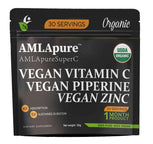
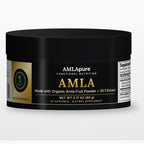
Amla is particularly well suited to a dual-format approach: whole fruit plus a concentrated extract. Whole-fruit powder supports the food-derived identity of amla and preserves its naturally broad plant matrix. A 30:1 extract can add concentration, making it possible to provide a meaningful level of amla-derived compounds without requiring an impractically large serving.
This is not a claim that every extract is equal. Extraction methods, carrier materials, heat exposure, solvent choices, and testing standards can affect a finished ingredient. A responsible formula should be clear about what the extract represents and should not imply that a concentration ratio alone guarantees quality.
Turmeric can also be formulated as whole root, extract, or a combination. Yet its central challenge remains absorption. Some formulas use black pepper-derived piperine to raise curcumin bioavailability. Others use phospholipid complexes, emulsified systems, or other delivery technologies. These can be valid strategies, but they also deserve careful review because enhanced absorption may change interaction potential with medications.
For the consumer who wants a food-first botanical foundation, whole-fruit amla paired with a documented 30:1 extract offers a rational balance of breadth and concentration. It reflects the principle that plant nutrition is not always best understood through one isolated active alone.
Choosing Based on Your Actual Goal
Amla may be the more natural fit when the priority is daily polyphenol-rich fruit nutrition, a whole-food supplement philosophy, or a formula built around broad-spectrum botanical compounds. It can be especially appealing to users who want a fruit-derived ingredient rather than a highly targeted single-compound extract.
Turmeric may be more relevant when someone is specifically evaluating curcuminoid research or seeking a formula designed around curcumin delivery. In that case, the supplement decision should include a close look at the extract’s standardization, the intended serving, and the delivery technology used.
Some individuals may use both botanicals, but combining them should not be automatic. A larger supplement stack is not necessarily a better one. Consider the reason for each ingredient, total daily intake, tolerance, and whether the products duplicate other compounds already present in the routine.
Safety and Professional Review Matter
“Natural” does not mean interaction-free. Amla and turmeric are generally familiar food plants, but concentrated supplements require more care than occasional culinary use. Individual response can vary, particularly with digestive sensitivity.
Turmeric and curcumin products warrant added attention for people using anticoagulant or antiplatelet medications, those managing gallbladder or bile duct conditions, and anyone preparing for surgery. Formulas containing piperine deserve particular scrutiny because piperine can affect the metabolism and absorption of certain medications.
Amla may also be relevant to medication decisions for people monitoring blood sugar or using blood-thinning therapies, given the botanical’s research profile and individual variability. People who are pregnant, breastfeeding, managing a medical condition, or taking prescription medications should review any concentrated botanical supplement with a qualified healthcare professional.
Quality controls matter here as much as ingredient selection. Look for clear sourcing, identity and contaminant testing, transparent labeling, and cGMP-certified manufacturing. USDA Organic certification can further support confidence in agricultural standards, though it does not replace finished-product testing or clinical judgment.
A Better Question Than Which One Wins
The most productive question is not whether amla or turmeric is stronger. It is whether the botanical, format, and dose match the person’s purpose. An amla formula built with organic whole fruit plus a 30:1 extract offers a distinctly food-first route to concentrated botanical nutrition. A turmeric formula may be more appropriate when curcuminoid-specific research and a well-considered absorption system are the priority.
Choose the product whose ingredient science is clear enough to evaluate, whose quality standards can be verified, and whose role in your routine is specific rather than speculative. That is a more durable standard than choosing a botanical because it is currently popular.


 Contact us